Artemis and the Power of a Goddess
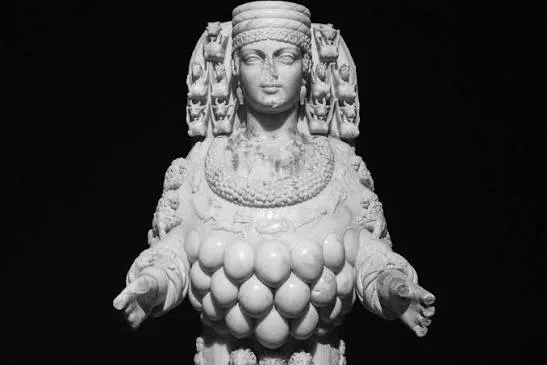
At the center of Ephesus stands the figure of Artemis, but not in the familiar form known from Greek mythology. The Ephesian Artemis is different. She is not shown as a hunter, but as a figure of fertility, abundance, and protection. Her image is marked by repeated forms across her body, often linked to life and renewal.
The Temple of Artemis once stood as one of the largest religious structures of the ancient world. It was not only a temple. It was a center of power, trade, and gathering. People traveled from distant regions to visit it, bringing offerings and shaping the city’s economy.
According to myth, the temple was connected to divine protection. Its presence turned Ephesus into a sacred space, where the boundary between human life and divine influence felt closer. Even after the temple was destroyed, its meaning did not disappear. It remained part of how the city was understood.
Gallery
Androklos and the Sign of the Boar
The founding of Ephesus is linked to a story that combines chance and interpretation.
Androklos, a leader from Athens, was said to seek a new land. He received a prophecy that guided him to follow a sign involving a fish and a wild boar. The meaning was not clear at first. It became visible through an event.
While preparing food, a burning fish fell from a fire and startled a boar hidden nearby. The animal ran, and Androklos followed it. He chose to found the city where the boar was caught.
This story gives a different sense of origin. The city is not placed by calculation alone. It is revealed through a moment that links nature, movement, and decision.
Echoes of Amazons and Ancient Memory
Another layer of myth connects Ephesus to the Amazons.
Some accounts suggest that warrior women once settled in the region and gave early shape to its identity. Whether taken as history or legend, this story reflects a memory of a place defined by strength and independence.
The presence of the Amazons adds a different tone to the city’s past. It suggests that Ephesus was not only a center of trade or religion, but also a place shaped by power and mythic identity.
Over time, these stories blended with later cultures. Greek, Anatolian, and Roman elements came together, but earlier symbols were not fully erased. Instead, they remained as quiet traces within the larger structure.
Walking Through Myth Today
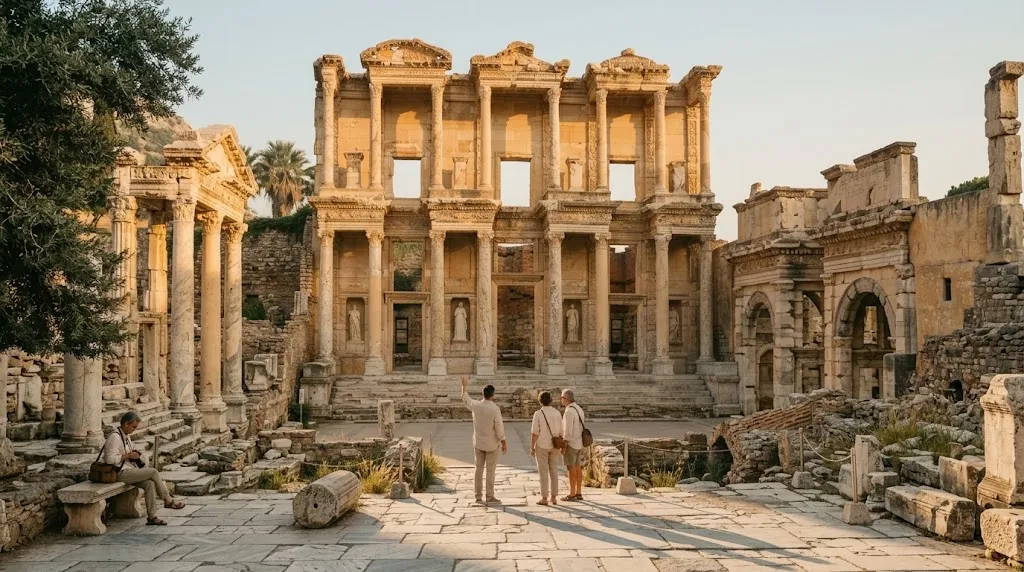
Exploring Ephesus today is not only about following a historical route. It is also about recognizing where these stories once lived.
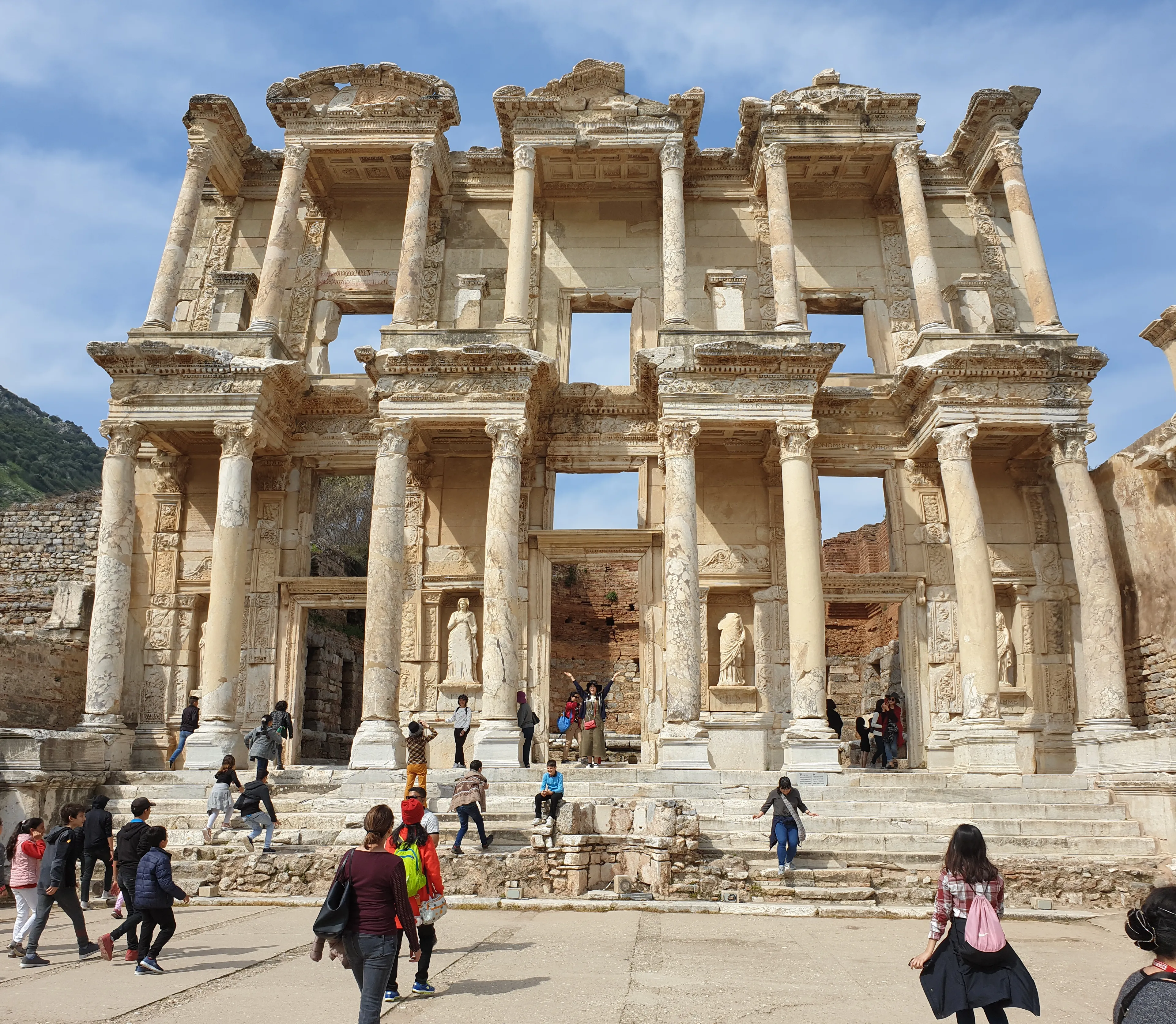
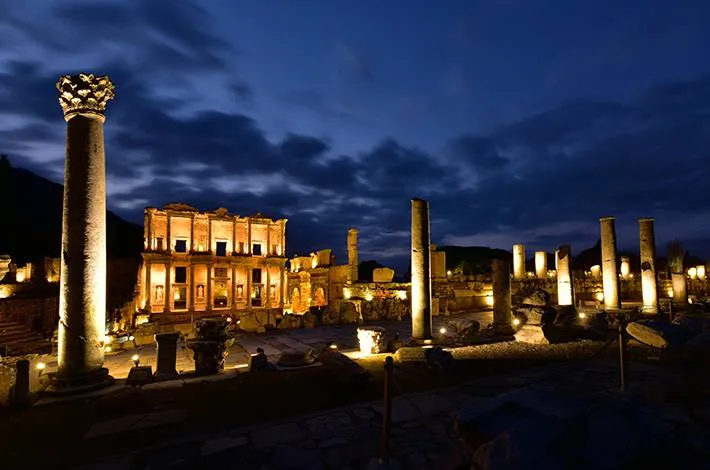
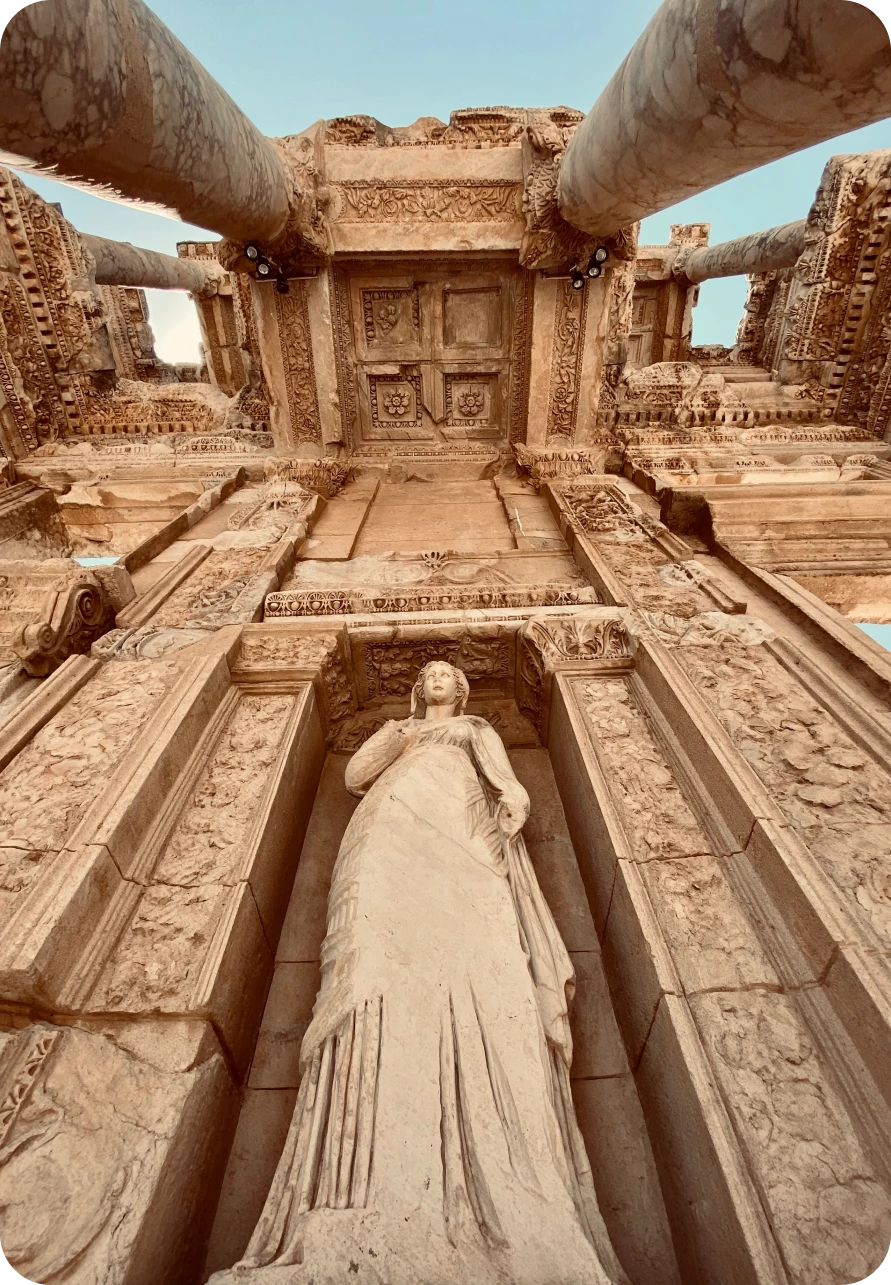
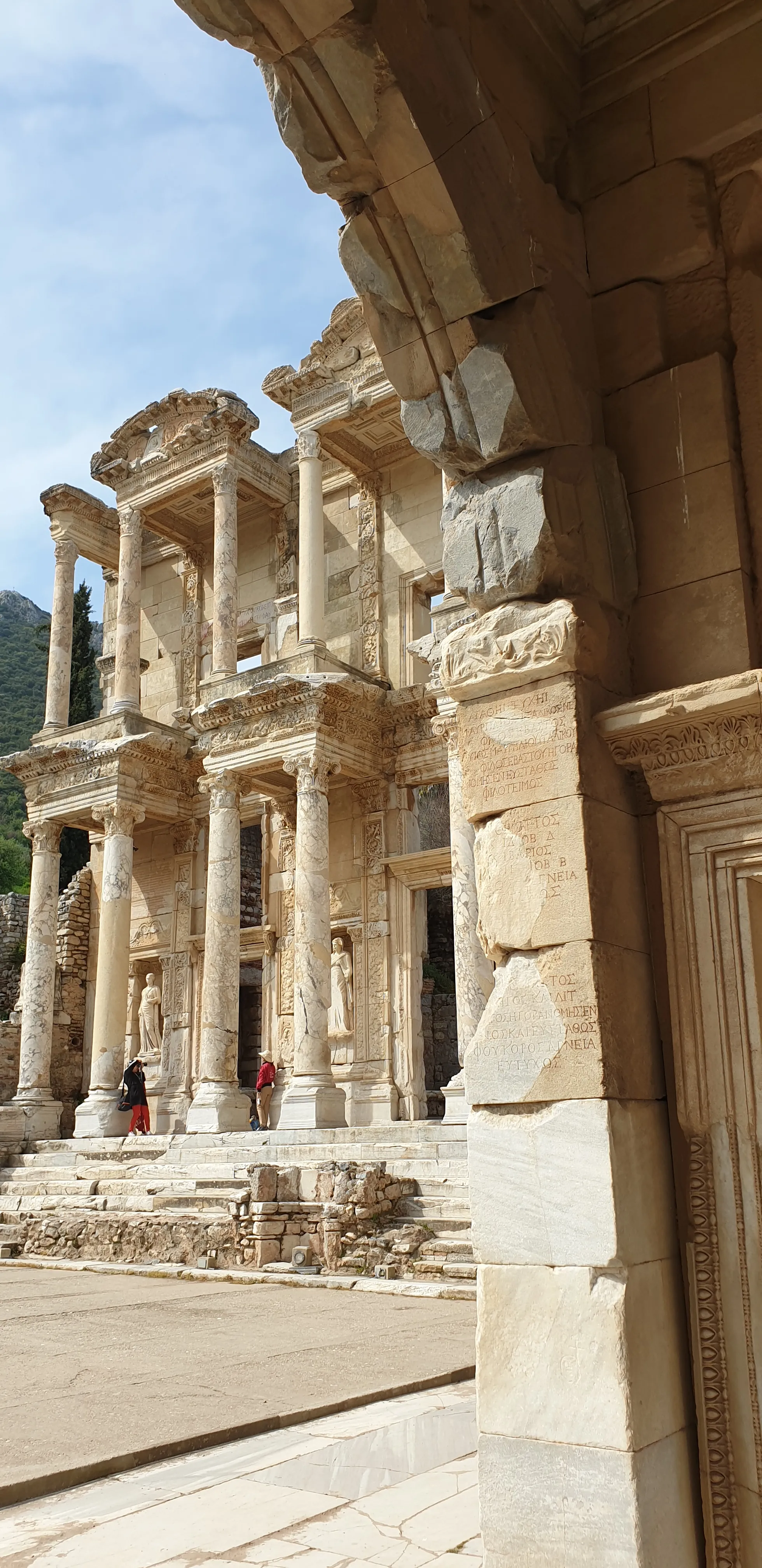
The Temple of Artemis, now reduced to fragments, still marks the sacred center of the city’s identity. The area around it feels open, yet its significance remains strong. In the main city, symbols and patterns appear in carvings and architectural details, often overlooked at first glance.
The streets themselves carry traces of earlier meaning. As you move through the site, the connection between structure and story becomes clearer. Certain spaces feel more than functional. They feel symbolic.
Understanding these myths does not require deep knowledge. It begins with attention. Once you notice the layers, the city changes. It becomes not only a place you visit, but a place you read.
FAQ
Have questions? Our local experts are here to help.