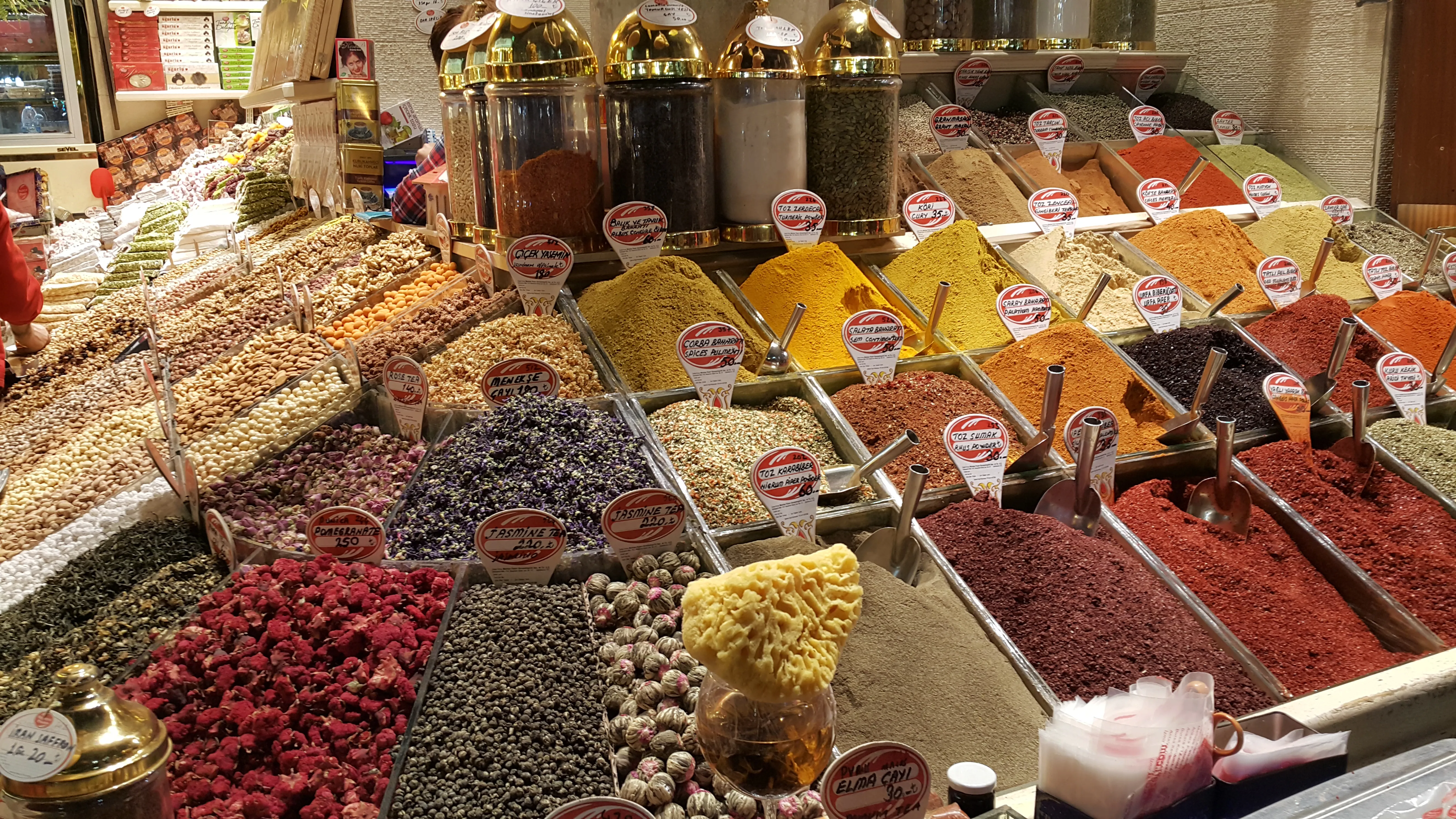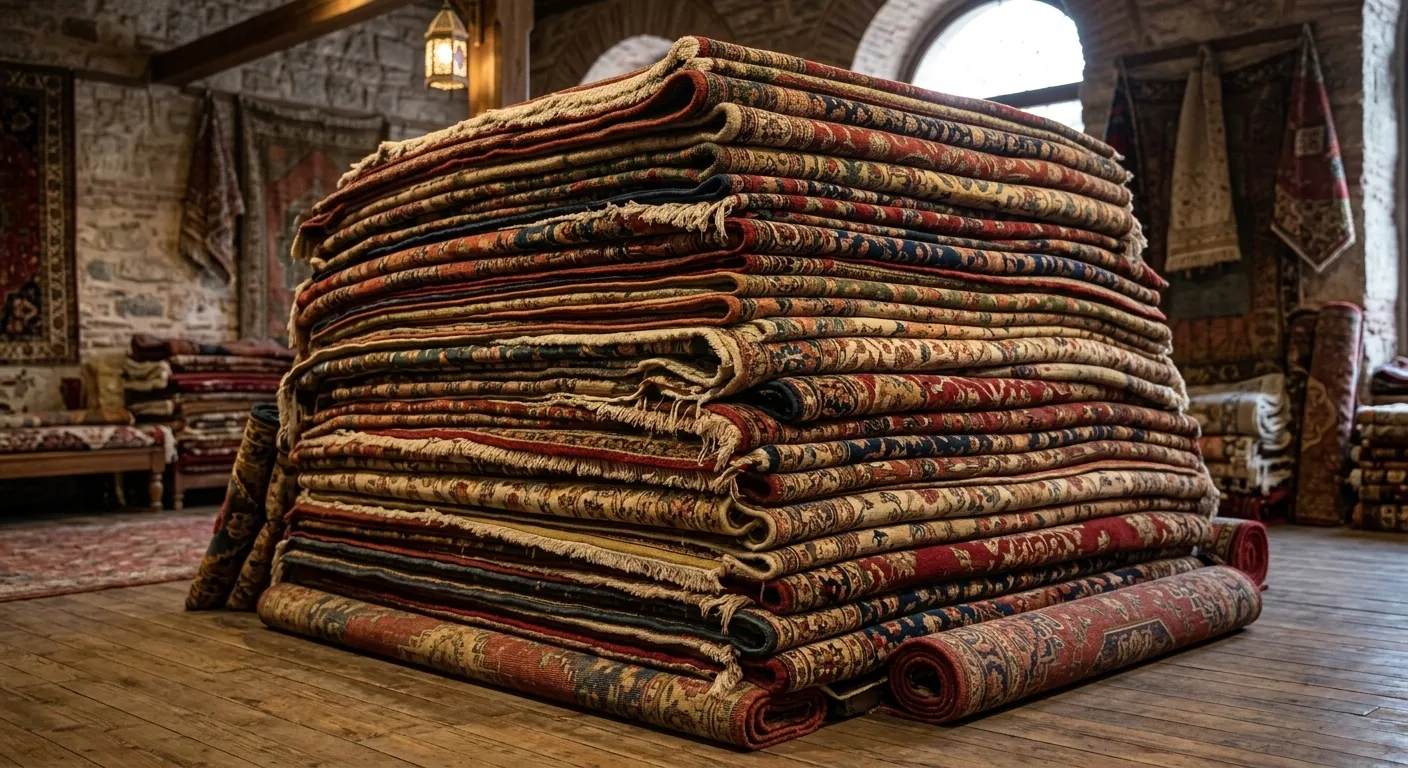
Welcome, fellow traveler, to a journey through the vibrant threads of Turkey's soul! As your dedicated local guide, I'm thrilled to introduce you to the mesmerizing world of Turkish carpets—not just floor coverings, but profound works of art, each a silent storyteller of generations past. Imagine with me, tracing the intricate patterns, feeling the rich textures, and uncovering the hidden meanings that reflect Turkey’s extraordinary cultural heritage. This isn't just about admiring beauty; it's about connecting with history, tradition, and the very heart of Anatolia.
Symbols That Speak Volumes
Every single Turkish carpet is a canvas of ancient wisdom, adorned with designs and symbols passed down through countless generations. These aren't mere decorations; they are a visual language, each motif carrying a unique story, a wish, or a protection. As we explore Turkey together on a private tour, you'll learn to 'read' these carpets, understanding the profound messages woven into their very fabric. It's an experience that truly brings the culture to life!
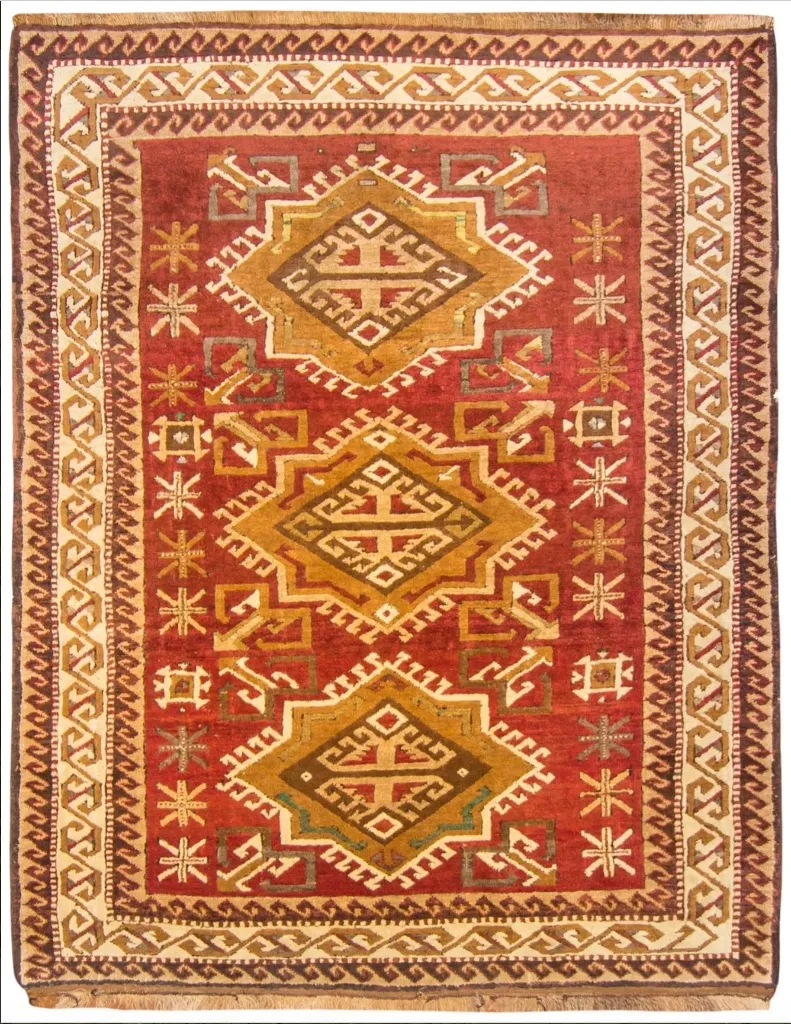
Life, Fertility, and Devotion: Key Motifs
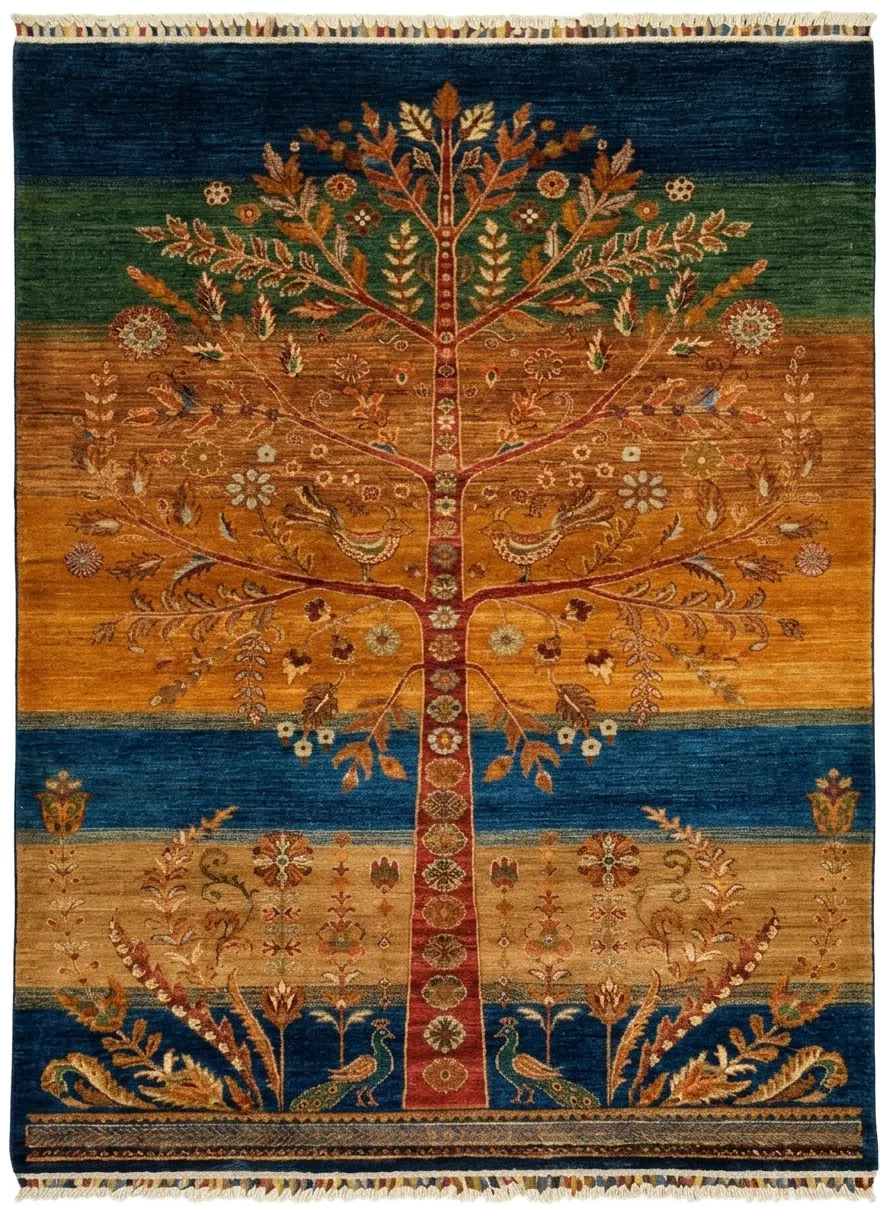
One of the most evocative symbols you'll frequently encounter is the “Tree of Life.” This powerful motif beautifully represents the eternal cycle of existence, with its deep roots grounding us to the earth and its branches reaching skyward, connecting us to the divine. Often, you'll see it adorned with birds, animals, and delicate flowers, symbolizing the beautiful interconnectedness of all living things—a truly universal message woven into every fiber.
Another fascinating symbol is the “Hand on Belly,” a poignant representation of fertility and protection. It's believed to safeguard expectant mothers and ensure a safe, blessed birth. You might see it depicted as a hand gently placed on a pregnant woman's belly or as a stylized hand with an eye at its center, warding off negativity. Imagine discovering these intricate details up close, understanding their deep cultural significance on your exclusive journey through Turkey!
Spiritual Guidance and Protection
The “prayer niche” is another common and deeply spiritual symbol, representing the mihrab in a mosque. Typically positioned at the top of the carpet, it's designed to orient the worshipper towards Mecca, serving as a constant reminder of the importance of faith and devotion in daily life. It’s a beautiful testament to the spiritual heart of the culture.
You'll also find symbols like the enigmatic “evil eye,” a powerful talisman believed to protect against malevolent forces and negative energy, and the grand “medallion,” often the focal point of a carpet's design, symbolizing the very center of the universe. These aren't just patterns; they are ancient guardians, woven into existence.
Beyond the Loom: Unlocking Ancient Meanings
The Tree of Life: Symbolizes eternal life, growth, and the interconnectedness of all beings.
The Hand on Belly: Represents fertility, protection for pregnant women, and safe childbirth.
The Prayer Niche: Guides devotion towards Mecca, emphasizing faith and spiritual connection.
The Evil Eye: A powerful amulet offering protection against negative energy and harm.
The Medallion: Often the heart of the design, symbolizing the center of the universe and cosmic order.
Mythical Guardians and Natural Wonders
Keep an eye out for the majestic “Dragon” symbol, a potent representation of power, strength, and protection. Often depicted with scales, claws, and wings, sometimes even breathing fire, it’s a truly awe-inspiring motif. And don't be surprised to see the “Scorpion” symbol, a popular design believed to offer protection against harm and danger, often shown with its curled tail and raised pincers, ready to ward off any threat.
Beyond these powerful figures, you'll discover a delightful array of natural elements like vibrant flowers, graceful birds, and elegant geometric shapes such as diamonds and triangles. Each of these carries its own unique meaning, reflecting the deep-seated beliefs and values of the skilled artisans who poured their hearts into creating these masterpieces. On a bespoke private tour, we can explore the regional nuances of these symbols, tailored to your interests!
A Kaleidoscope of Styles Across Anatolia
Just as Turkey's landscapes vary, so do its carpet designs! Each region boasts its own distinctive style and motifs, a testament to local traditions and artistic expressions. For instance, the Konya region in central Turkey is celebrated for its bold, striking geometric designs, reflecting the rugged beauty of its surroundings. In contrast, the southeastern region of Gaziantep is renowned for its incredibly intricate and delicate floral patterns, a true feast for the eyes.
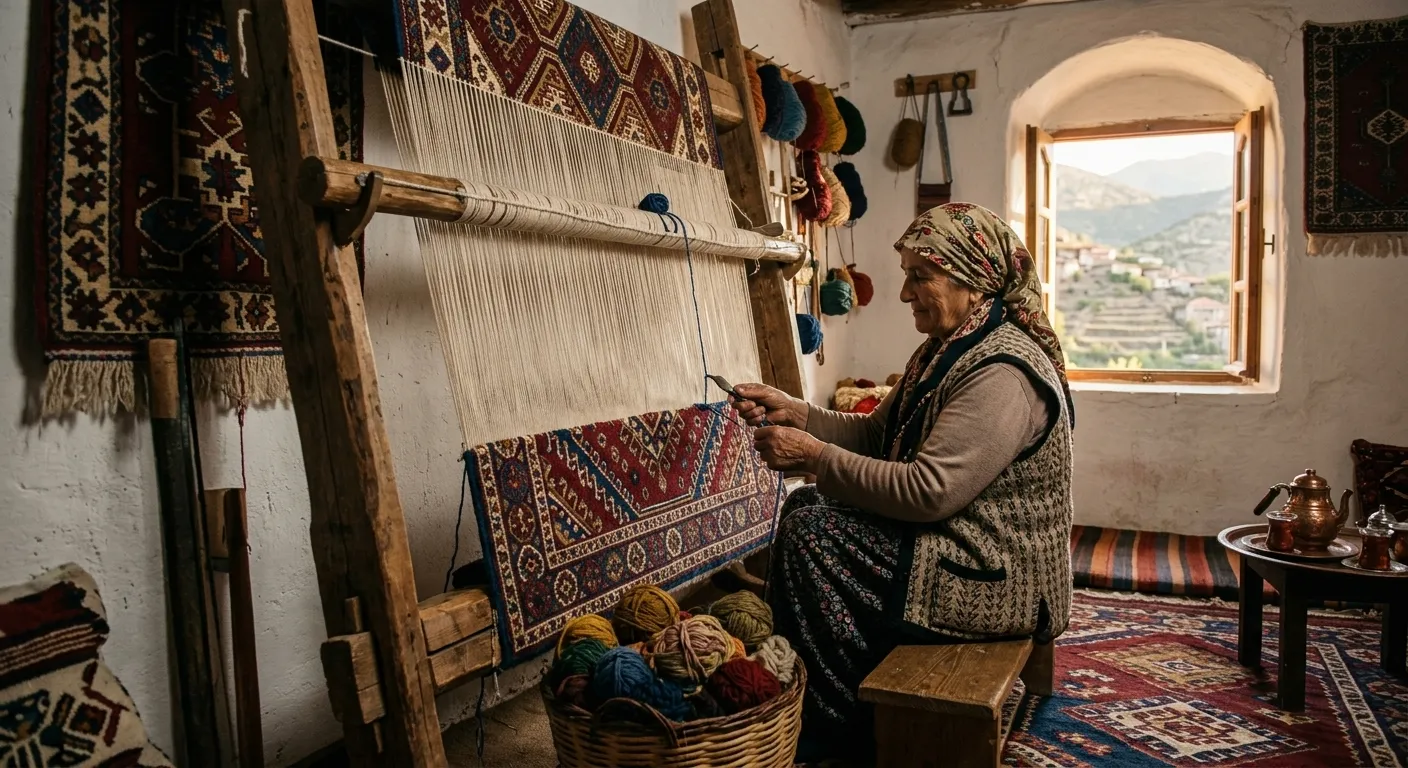
Beyond their profound symbolism and undeniable aesthetic appeal, Turkish carpets are globally recognized for their exceptional craftsmanship. Many are still created using time-honored, traditional techniques like hand-knotting, a painstaking process that demands an extraordinary level of skill, patience, and meticulous attention to detail. It's this dedication that truly sets them apart.
Iconic Turkish Carpet Styles You'll Adore
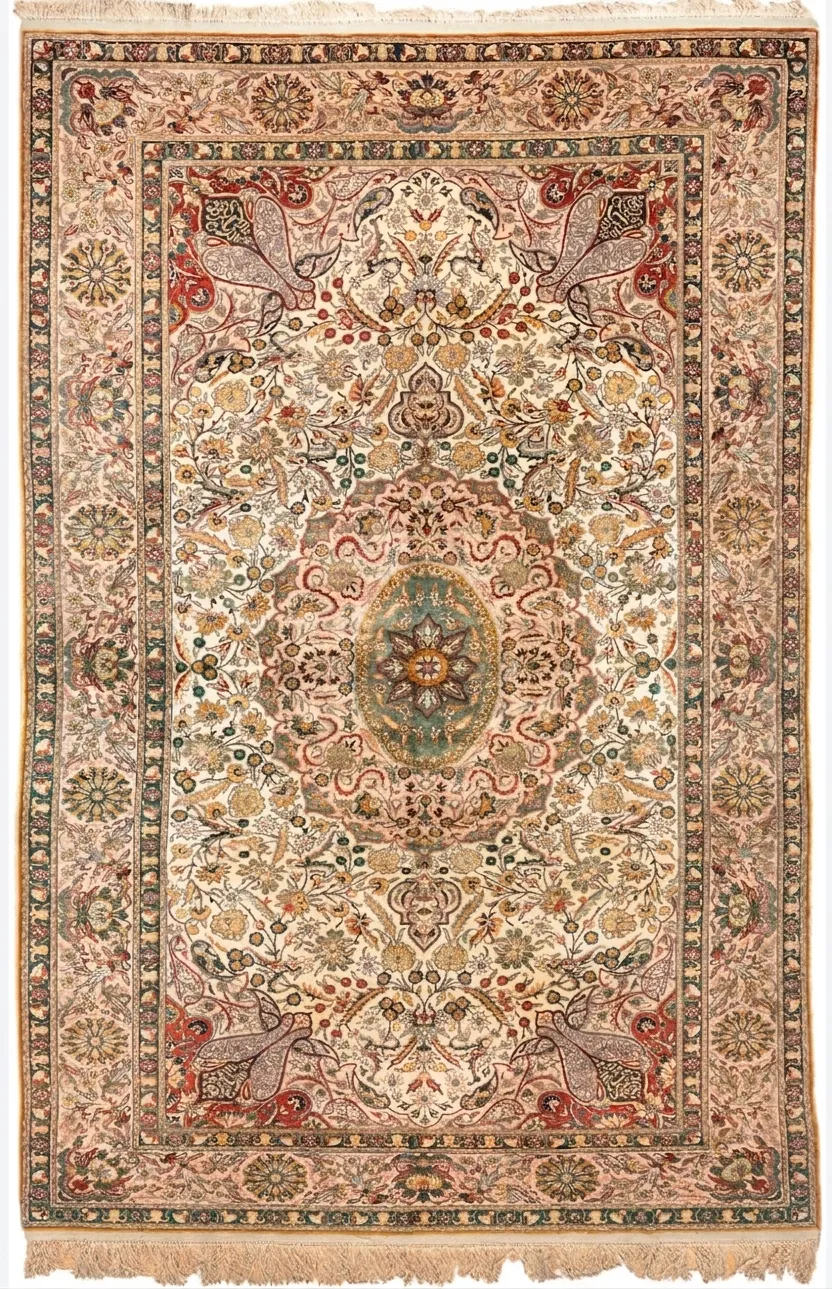
- Hereke Rugs: The epitome of luxury, often silk, once reserved for Ottoman sultans.
- Turkmen Rugs: Bold geometric patterns reflecting tribal history and culture.
- Döşemealtı Rugs: Muted colors and delicate, nature-inspired patterns from Southern Turkey.
- Milas Rugs: Intricate patterns and bright colors, known for their durability.
- Uşak Rugs: Famous for bold colors, large-scale patterns, and historical significance in European art.
The Royal Weave: Hereke and Turkmen Treasures
What truly distinguishes Turkish rugs on the global stage are their unique, region-specific designs and patterns. Take Hereke rugs, for example. Originating from the town of Hereke near Istanbul, these are synonymous with unparalleled fine quality, often woven from exquisite silk. Once the exclusive domain of the Ottoman sultans, today they are highly coveted by discerning collectors and interior designers worldwide for their sheer elegance and luxurious feel. Imagine holding a piece of history in your hands!
Then there are the captivating Turkmen rugs, crafted by the nomadic Turkmen tribes of Central Asia. These rugs are instantly recognizable by their bold colors and distinctive geometric patterns, which often tell stories of the tribe's rich history and cultural identity. Each knot is a whisper from the past, a testament to enduring traditions.
Gallery
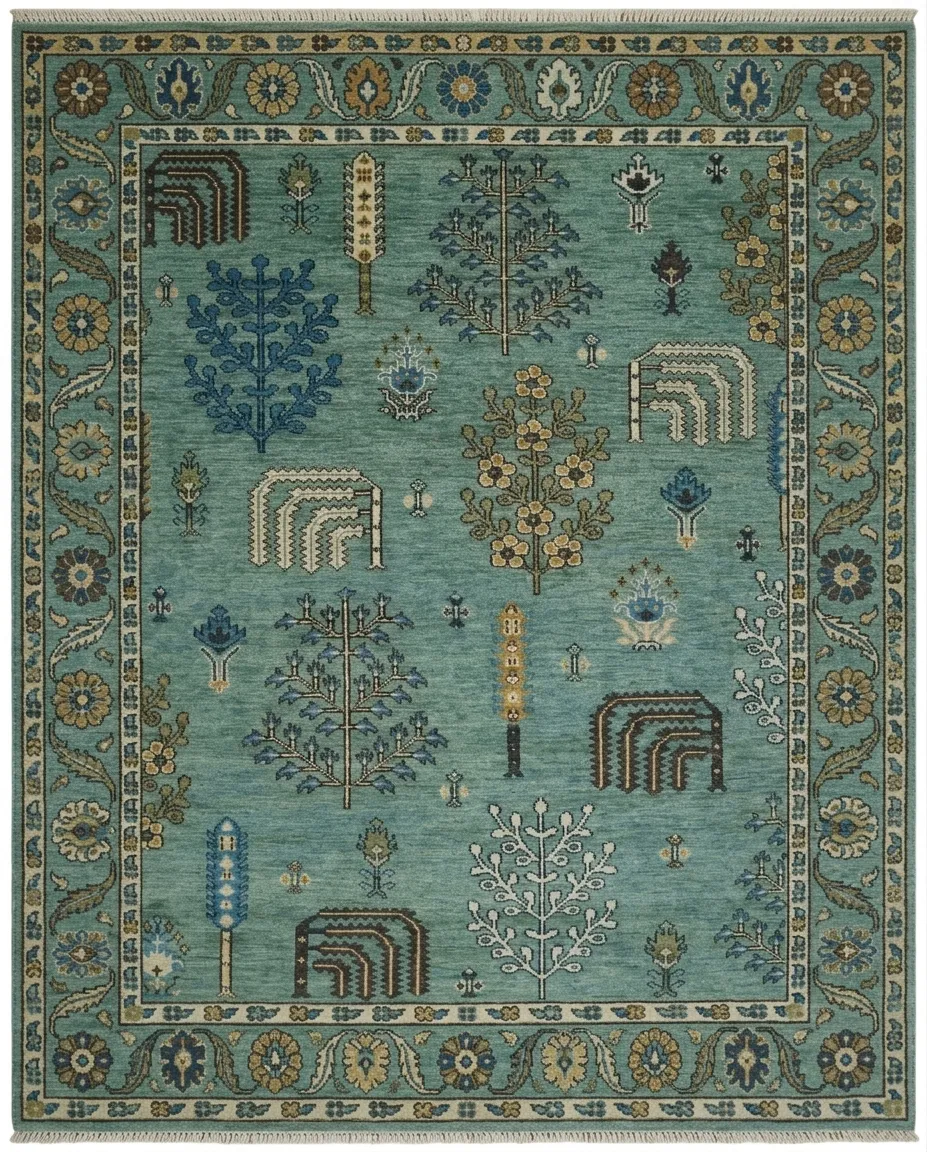
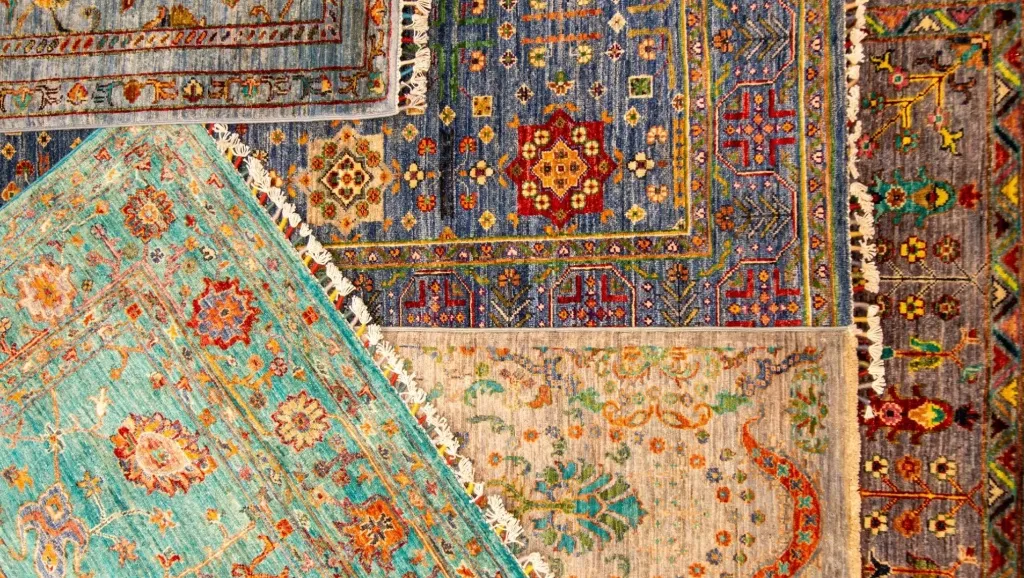
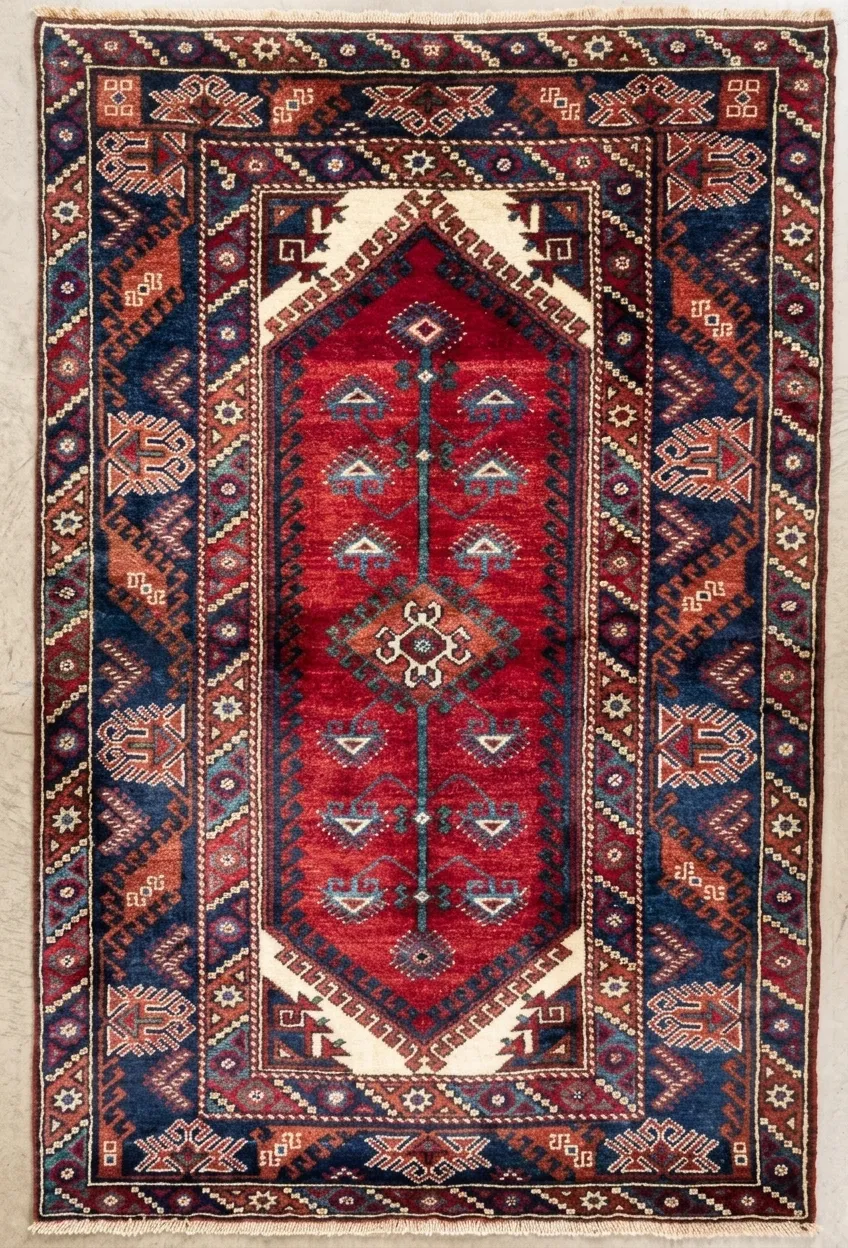
Uşak Carpets: A Renaissance Masterpiece
Among the most historically significant are the magnificent Uşak rugs, hailing from the Uşak region in western Turkey. These are celebrated for their bold colors and grand, large-scale patterns, often made of durable wool and highly prized for their exceptional quality and beauty. But their story doesn't end there...
Did you know that the renowned German Renaissance painter, Hans Holbein the Younger, frequently featured Uşak carpets in his meticulous portraits? He used them as powerful symbols of luxury and wealth, reflecting their immense popularity and status in Renaissance Europe. These carpets were highly sought after, imported from Turkey as ultimate status symbols. Today, many of Holbein’s masterpieces featuring these very carpets are cherished works of Renaissance art, forever linking Uşak to art history. On a custom cultural tour, we can explore the historical connections between Turkey and Europe, perhaps even visiting museums that house such treasures!
Your Journey into Turkish Carpet Culture: Insider Tips
- Seek Authenticity: Look for reputable dealers and ask about the carpet's origin and knotting technique.
- Understand the Symbols: Knowing the meaning behind motifs enhances appreciation and helps you choose a piece that resonates with you.
- Consider a Private Tour: A local expert can guide you through markets, explain regional differences, and help you find truly unique pieces.
- Embrace the Story: Each carpet is a piece of history and art; choose one that speaks to your heart.
In conclusion, Turkish rugs are far more than decorative items; they are living testaments to Turkey’s incredibly rich cultural heritage, cherished by collectors and interior designers across the globe. Each type, with its unique style and characteristics, offers a glimpse into a specific tradition and region. Ready to weave your own unforgettable Turkish adventure? Let me craft a bespoke private tour for you, where you can delve deeper into these artistic traditions, meet local artisans, and perhaps even find your own woven masterpiece to take home. Contact us today to design your exclusive cultural journey!
FAQ
Have questions? Our local experts are here to help.